
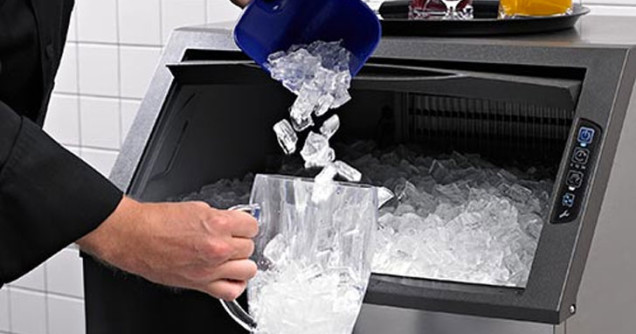
Whether you manage a busy restaurant, hotel, convenience store, healthcare facility, or commercial kitchen, your ice machine is easily one of the most hardworking pieces of equipment on site. It runs continuously, cycling water, freezing it, and harvesting ice around the clock to keep up with customer and operational demand.
Because ice machines run quietly in the background, they are often overlooked until the ice stops dropping—or worse, until the ice tastes off or fails a cleanliness inspection.
Ice is legally classified as a food product, making regular maintenance not just a matter of mechanical upkeep, but of health and safety. Partnering with a dedicated service provider for a preventive maintenance plan is the best way to ensure your ice maker stays reliable, clean, and efficient year-round.
1. Ensure Clean, Great-Tasting Ice and Health Code Compliance
Water contains dissolved minerals, algae spores, and microscopic debris that build up inside an ice machine over time. Combined with the warm, humid environment inside the unit’s cabinet, unmaintained ice machines can quickly become breeding grounds for scale, mold, slime, and bacteria.
A routine preventive maintenance plan keeps your unit strictly compliant with health codes:
- Professional Deep Cleaning & Sanitizing: Complete chemical descaling and sanitization remove mineral scale, algae, and bio-film from water plates, distribution tubes, and storage bins.
- Filter Replacement: Timely changes of water filtration cartridges keep chlorine, sediment, and bad tastes out of your ice supply.
- Food Safety Assurance: Protects your customers and your reputation from health code violations, fines, or negative reviews related to dirty ice.
2. Prevent Unexpected Machine Breakdowns
There is never a good time for an ice machine to break down. A sudden system failure during a peak weekend shift or a hot summer afternoon forces you to buy bagged ice at a high cost, straining both staff efficiency and your bottom line.
Proactive maintenance switches your service model from reactive panic to predictable performance:
- Early Component Inspection: Technicians check critical moving parts—such as water pumps, harvest switches, bin sensors, and fan motors—to catch wear before total failure occurs.
- Leak & Line Checks: Identifying minor water line or refrigerant leaks prevents operational shutdowns and water damage to surrounding floors.
- Scheduled Operations: Service visits are planned during non-peak hours, so your daily service is never disrupted.
3. Reduce Energy Bills and Water Waste
An ice machine covered in mineral scale or restricted by clogged coils has to work significantly harder and run much longer freezing cycles to produce a single batch of ice.
Routine maintenance keeps all components running at peak factory efficiency:
- Clean Condenser Coils: Dust and grease buildup on air-cooled condensers prevent proper heat release, forcing the compressor to draw more electricity and run longer cycles.
- Optimized Harvest Cycles: Calibrating thickness sensors and harvest controls ensures the unit releases ice efficiently without wasting water or electricity.
- Lower Utility Costs: Keeping mechanical parts clean and calibrated directly translates to lower monthly power and water bills.
4. Extend the Life of Your Equipment
Commercial ice machines are a substantial financial investment. Prematurely replacing a ice maker due to preventable wear and tear strains your capital budget unnecessarily.
Mineral buildup is the number one killer of commercial ice makers. Limescale acts as an insulator, forcing compressors to overheat and causing freeze plates to pit or separate. Routine descaling and mechanical tune-ups dramatically extend the operational lifespan of your unit, allowing you to maximize the return on your original investment.
What a Comprehensive Ice Machine Maintenance Visit Includes
When you schedule routine preventive maintenance with commercial ice machine specialists, a typical service visit includes:
- Full chemical descaling and removal of lime/scale deposits
- Complete sanitization of the water circuit, evaporator plate, and storage bin
- Inspection and replacement of water filter cartridges
- Cleaning of air filters and condenser coils
- Inspection of water inlet valves, drain lines, and circulation pumps
- Calibration of ice thickness controls and bin shut-off sensors
- Inspection of electrical connections, contactors, and compressor operation
Recent Comments